


Experience Solar Simplicity at Home.
Say goodbye to complex energy bills and uncertain supply and hello to simplicity. Our residential solar PV systems offer seamless integration into your daily life. Investing in Solar PV is now more Affordable than ever before.
What to expect from your residential solar PV system

Savings
You Save from Day 1 as your Residential Solar PV Electricity is Cheaper already and will not increase, unlike Electricity you purchase from Eskom. Grid Tied solar systems save on Day Loads only, while Hybrid Solar Systems with Battery Energy Storage Units, also save money on evening use as the Batteries are cycled in the evening, using Spare Solar PV Power stored during the day.

Security
Protection from Load Shedding and Power Cuts is very important in our country as security measures continue to function during these uncertain times. Your way of life is also not disrupted every time the lights go out.
Piece of Mind
A Solar PV Installation, correctly installed, using High Quality Solar Equipment provides reliable power to your home. No more shocks from Rising Electricity Bills and no more load shedding, imagine that! In addition, the Northface Solar 2yr workmanship warranty covers you during the early stages of your solar journey. After which, you can subscribe to our maintenance contract which will ensure that your investment continues to provide returns in the future.

Your journey to energy independence starts here
- Contact Northface Solar Installers and provide relevant information.
- We will advise on the Solar PV solution based on your specific information and property
- Prepare your Solar PV Proposal for the Supply and Installation of your Solar PV system
- Upon provisional acceptance we will conduct our Site Visit to confirm the details of the Installation.
- Acceptance of Quote and Deposit Payment
- Stock Purchase and Installation Date confirmed
- Solar PV Installation (1 – 3 days, depending on the size of the system and complexity of the installation.
- Commissioning of Solar PV system and Handover
- On-Line Monitoring and After Sales service
- Maintenance Contracts Available
Thanks so much for the documents and the wonderful service. Many thanks to Jason and Paul for a neat installation. Definitely the best company when it comes to solar installations. Many thanks.
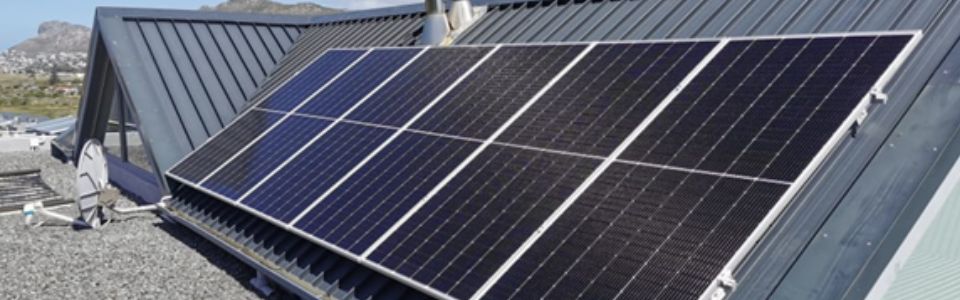
Choosing the right solar solution for my home
CALL US or SEND US A MESSAGE and one of our advisors will contact you to discuss your home and the various options available.
Information that helps us prepare your quote:
-
Monthly Energy Bill / Electricity Cost
-
Physical Location of the DB (We can confirm this during our site visit, if this is not known)
-
Type of Roof; Tile, Cement, Roof Sheeting, Slate, Thatch or Asbestos
Note 1: We are unable to install on Thatch or Asbestos
Note 2: For Slate we use specialist slate roof contractors to mount the brackets for your solar BEFORE we install any panels. -
Physical Address of the property to confirm orientation of roof
Current in-demand residential solar systems.
-
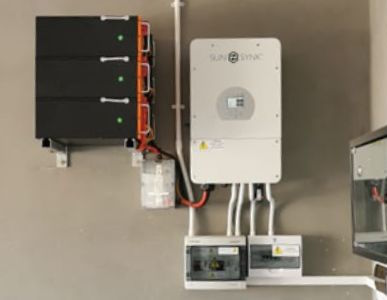
3kWp - 5kWp panels with 5kW Inverter and 10kWh of battery support (1-Phase)
-
6kWp – 8kWp panels with 8kW Inverter and 15kWh of battery support (1-Phase)
-
10kWp - 12kWp panels with 12kW Inverter and 20kWh of battery support (3-Phase)
Residential solar tips
- Your Solar Inverter is important and must be capable of running your home so make sure you choose the right size for the current AND future requirements of your home.
- You can always add more Solar Panels and Lithium Ion Batteries at a later stage. Our Residential Solar Systems are modular and you can add panels to increase your Solar Production and Independence from the grid, especially in winter. Start small and grow your system if you do not have the budget for a larger system.
- Do not install too many Solar PV Panels if you cannot use or Store the Solar Power It is important to match your Solar Production with your Battery Sizing. Do not install too many Batteries if you cannot charge them from the Solar Panels
- Do not install a small Battery Bank on a larger Inverter as this leads to many issues. It is recommended that the potential draw of the Inverter (kW) is less than or equal to the capable draw of the Battery (kWh).
AC
Solar Photovoltaic Terminology
Alternating Current
Eskom supplies AC Power to your home from the National Grid
Solar Inverters take DC Power from the Solar Panels and/or the Lithium Ion Batteries and convert this to AC for use in the home.
DC
Direct C
Photovoltaic (PV) Panels convert sunlight into DC power.
Lithium Ion Batteries store DC power.
Solar Inverter
Manages the entire Solar PV System and is very much the brains of the system as it controls where the DC Power is distributed between the Home and the Batteries. It is also the main Energy source during Load Shedding and Power Cuts and will manage your Essential Loads without any grid support.
Lithium Ion
Store DC Power for use at night or during Load Shedding or Power cuts.
The only Solar Battery we recommend for Solar PV Systems as Lead Acid Batteries do not perform as well nor do they last as long.
Your Solar Investment needs Lithium Ion Batteries to secure Long Term Returns and Protection.
Solar Panels
Solar photovoltaic (PV) panels are primarily made of semiconductor materials that can convert sunlight into electricity. The most commonly used material is Crystalline Silicon. Monocrystalline Silicon (Mon-Si) Solar Panels are made from a single structure and have a higher efficiency but also a higher cost to manufacture. Polycrystalline Silicon (Poly.Si) Solar Panels are made from multiple silicon crystal structures and while slightly less efficient, they are more cost-effective.
When sunlight strikes these PV Cells, it excites electrons, creating and Electric Current (DC)
Grid-Tied Solar
Solar Panels connected to a Grid Tied Solar Inverter and connected to the Grid.
Electricity Produced is either consumed by the property or sent back to the grid, using the SSEG Tariff. If there is no feedback to the grid the system reduces production to match the Energy Requirement of the Property. No Load Shedding protection.
Hybrid Solar
Hybrid Inverters include Solar Batteries to Store Spare Power and can be Independent from the Grid for most parts of the year, winter excluded. Provides Protection against Load-Shedding and Power Cuts.
Off-Grid Solar
No connecting grid for support so you need to have sufficient Solar Panels, a large enough Off Grid or Hybrid Inverter and sufficient Batteries to provide enough power for the property all year around. Not really suited to residential applications as it is often too costly. This is more suited to places where no grid is available.
U.P.S.
Uninterrupted Power Supply are specialised back up units that seamlessly carry the load during Load Shedding or Power Cuts with no delays, thus not affecting computers, sensors or any important equipment that needs constant power. Our Solar Systems switch over quickly but it is not seamless or instant and often a small UPS in line with the Solar System is required to ensure that the switch from grid to solar is seamless.
Load
Your Electricity Demand, which is usually divided into Day Loads and Night Loads. There is also a further split between Essential Loads and Non-Essential Loads when defining the loads that will be protected during load shedding and power cuts.
Current Cost of Electricity per kWh or unit:
0– 600kWh or units: R3.50
>600kWh units: R4.26